
Effective Relaxation Methods for Stress Relief
Stress can feel like a heavy cloud hanging over your day, making even simple tasks seem overwhelming. I’ve found that incorporating effective relaxation methods into my routine has been a game-changer. These gentle practices help me reset, regain calm, and face challenges with a clearer mind. If you’re looking for ways to ease tension and invite peace into your life, this guide is for you.
Discovering Effective Relaxation Methods
Relaxation is more than just a break from activity; it’s a way to restore balance in your body and mind. When stress builds up, it can affect your health, mood, and energy. That’s why finding effective relaxation methods is essential. These methods don’t require special equipment or a lot of time. Instead, they focus on simple, mindful actions that anyone can do.
Some of my favorite techniques include deep breathing, gentle stretching, and mindfulness meditation. Each offers a unique path to calm, and you can choose what fits your lifestyle best. For example, deep breathing helps slow your heart rate and clear your mind, while stretching releases physical tension stored in muscles.
If you want to explore more about relaxation techniques, you’ll find a variety of options that can be tailored to your needs. The key is consistency and openness to trying new ways to relax.

How to Immediately Relax?
Sometimes, stress hits suddenly, and you need quick relief. I’ve learned a few immediate relaxation methods that work wonders in moments like these:
Deep Breathing - Take a slow, deep breath through your nose, hold for a count of four, then exhale gently through your mouth. Repeat this five times. This simple act signals your nervous system to calm down.
Grounding Exercise - Focus on your surroundings by naming five things you see, four things you hear, three things you feel, two things you smell, and one thing you taste. This brings your attention to the present moment and away from stress.
Progressive Muscle Relaxation - Starting from your toes, tense each muscle group for five seconds, then release. Move upward through your body. This helps release physical tension quickly.
Visualization - Close your eyes and imagine a peaceful place, like a quiet beach or a forest. Picture the details—the colors, sounds, and smells. This mental escape can reduce stress instantly.
These techniques are easy to do anywhere, whether you’re at work, home, or on the go. I keep a reminder on my phone to practice them whenever I feel overwhelmed.
Creating a Relaxing Environment at Home
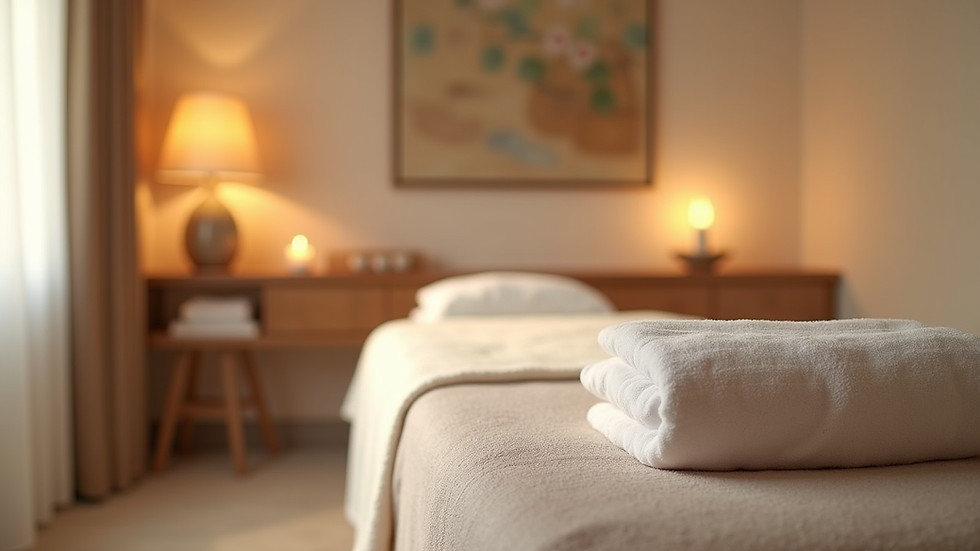
Your surroundings play a big role in how relaxed you feel. I’ve found that making small changes to my home environment can create a sanctuary of calm. Here are some ideas to try:
Soft Lighting - Use lamps or candles instead of harsh overhead lights. Warm, dim lighting soothes the eyes and mind.
Natural Elements - Bring in plants, flowers, or natural wood accents. Nature has a calming effect that helps reduce stress.
Aromatherapy - Scents like lavender, chamomile, and sandalwood promote relaxation. You can use essential oils, candles, or diffusers.
Comfortable Seating - Create a cozy nook with cushions and blankets where you can sit quietly or read.
Declutter - A tidy space feels more peaceful. Spend a few minutes each day clearing surfaces and organizing.
By designing a space that invites relaxation, you’ll find it easier to unwind after a busy day. I often spend time in my little corner with a cup of herbal tea, letting the calm wash over me.

Incorporating Movement for Stress Relief
Movement is a powerful way to release tension and boost your mood. You don’t need intense workouts to feel the benefits. Gentle, mindful movement can be just as effective. Here are some methods I recommend:
Yoga - Combines stretching, breathing, and meditation. Even 10 minutes of yoga can help calm your mind and loosen tight muscles.
Tai Chi - A slow, flowing martial art that promotes balance and relaxation. It’s like moving meditation.
Walking in Nature - A simple walk outdoors, especially in green spaces, can lower stress hormones and improve your mood.
Stretching - Regular stretching breaks during the day prevent stiffness and help you feel more relaxed.
Try to set aside time each day for some form of movement. It doesn’t have to be long or complicated. The goal is to connect with your body and breathe deeply as you move.
Building a Daily Relaxation Routine
Consistency is key when it comes to managing stress. I’ve found that building a daily relaxation routine helps me stay grounded and resilient. Here’s a simple plan you can follow:
Morning Mindfulness - Spend 5 minutes after waking up focusing on your breath or setting a positive intention for the day.
Midday Break - Take a short break to stretch or practice deep breathing, especially if you’re working at a desk.
Evening Wind-Down - Create a calming ritual before bed, such as reading, gentle yoga, or listening to soothing music.
Weekly Treat - Schedule a longer relaxation session once a week, like a massage, a bath, or a nature walk.
By making relaxation a habit, you’ll notice stress becoming more manageable. It’s like watering a plant regularly - the more you nurture yourself, the stronger and more vibrant you feel.
Relaxation is a gift you can give yourself every day. With these effective relaxation methods, you can create moments of peace amid life’s busyness. Whether you’re trying quick techniques or building a calming environment, remember that small steps lead to big changes. Embrace these practices and watch how your stress melts away, leaving space for calm and clarity.


Comments