
How Massage Relaxation Benefits Enhance Wellness and Calm
When life feels overwhelming, and the mind races with endless to-dos, I find that a simple, soothing massage can be a powerful way to restore balance. Massage is more than just a luxury; it is a gentle invitation to relax deeply and nurture the body and mind. In this post, I want to share how massages enhance relaxation and wellness, offering practical insights and heartfelt encouragement to anyone seeking calm and comfort.
The Science Behind Massage Relaxation Benefits
Massage therapy works by stimulating the body’s natural healing processes. When muscles are kneaded and pressure is applied, blood flow increases, bringing oxygen and nutrients to tissues. This helps reduce muscle tension and flush out toxins. At the same time, the nervous system responds by releasing feel-good hormones like endorphins and serotonin, which ease stress and promote a sense of well-being.
For example, after a long day of sitting or standing, a massage can relieve tightness in the shoulders and neck, areas where stress often accumulates. This physical relief translates into mental calm, as the body signals the brain that it is safe to relax.
Some key benefits include:
Lowered heart rate and blood pressure
Reduced cortisol (stress hormone) levels
Improved sleep quality
Enhanced immune function
These effects combine to create a holistic sense of wellness that lasts well beyond the massage session itself.

Exploring Different Massage Techniques and Their Relaxation Benefits
Not all massages are the same, and each technique offers unique benefits. Here are a few popular types and how they contribute to relaxation and wellness:
Swedish Massage: This classic style uses long, flowing strokes to promote circulation and ease muscle tension. It’s ideal for beginners and those seeking gentle relaxation.
Deep Tissue Massage: Focused on deeper layers of muscle and connective tissue, this massage helps release chronic tension and knots. It’s excellent for people with persistent muscle pain.
Shiatsu and Oriental Massage: These techniques use finger pressure and stretching to balance energy flow and relieve stress. They are deeply calming and can improve overall vitality.
Aromatherapy Massage: Combining essential oils with massage, this approach enhances relaxation through scent, which can soothe the mind and uplift the spirit.
Each method invites the body to unwind in its own way. I encourage you to explore different styles to find what feels best for your unique needs.
What type of massage is best for neuropathy?
Neuropathy, a condition characterized by nerve pain and numbness, requires a gentle and thoughtful approach to massage. The best type of massage for neuropathy focuses on improving circulation and reducing discomfort without causing irritation.
Light to moderate pressure techniques such as Swedish massage or lymphatic drainage massage are often recommended. These methods help stimulate blood flow and encourage the body’s natural healing without overwhelming sensitive nerves. Additionally, Oriental massage techniques that emphasize energy balance can provide soothing relief.
It’s important to communicate openly with your massage therapist about your symptoms so they can tailor the session to your comfort level. Regular sessions can gradually improve nerve function and reduce pain, contributing to a better quality of life.

How to Maximize the Benefits of Massage for Relaxation
To truly experience the full benefits of massage, consider these practical tips:
Set clear intentions: Before your session, think about what you want to achieve—whether it’s stress relief, pain reduction, or simply a moment of peace. Sharing this with your therapist helps them customize the experience.
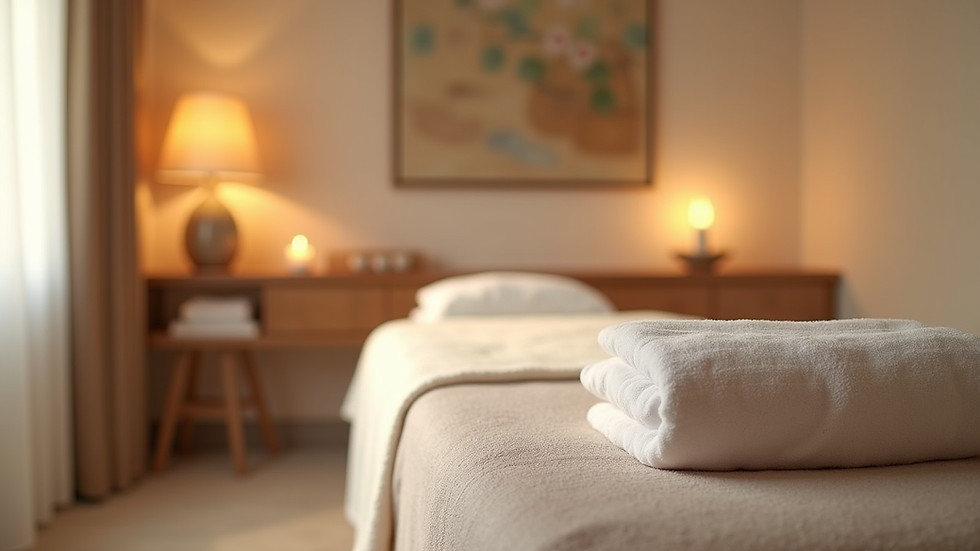
Create a calming environment: Choose a quiet, comfortable space where you won’t be disturbed. Soft lighting, gentle music, and pleasant aromas can enhance relaxation.
Stay hydrated: Drinking water before and after your massage helps flush out toxins released during the session.
Practice mindful breathing: Focus on slow, deep breaths to deepen your relaxation and stay present in the moment.
Schedule regular sessions: Consistency is key. Regular massages can build resilience against stress and maintain muscle health over time.
If you’re curious about trying a massage for relaxation, I recommend starting with a gentle Swedish or Oriental massage to ease into the experience.
Embracing Massage as Part of a Wellness Routine
Massage is a wonderful complement to other wellness practices like yoga, meditation, and balanced nutrition. It supports the body’s natural rhythms and helps you reconnect with yourself in a busy world.
In Guildford and nearby towns like Farnborough and Reading, finding a trusted place for authentic Oriental massage can be a transformative step toward lasting relaxation. The Green Herb aims to be that sanctuary—a place where you can unwind, recharge, and leave feeling renewed.
Remember, wellness is a journey, not a destination. Each massage session is a gentle reminder to slow down, breathe deeply, and honor your body’s needs.
I hope this exploration of how massages enhance relaxation and wellness inspires you to embrace this nurturing practice. Whether you seek relief from tension, better sleep, or simply a peaceful pause, massage offers a warm, healing touch that welcomes calm into your life.


Comments