
Massage for Anxiety Relief: How It Helps
Anxiety can feel like a constant storm inside, swirling with tension and unease. Finding a way to calm that storm is essential for peace of mind and overall well-being. One gentle, natural approach that has helped many is massage therapy. It’s more than just a moment of relaxation - it’s a powerful tool to soothe the nervous system and ease anxious feelings. Today, I want to share how massage for anxiety relief works and why it might be the calming touch you’ve been searching for.
The Power of Massage for Anxiety Relief
Massage is often thought of as a luxury or a treat, but it’s also a therapeutic practice with deep roots in healing traditions. When anxiety takes hold, the body reacts with muscle tension, rapid heartbeat, and shallow breathing. Massage helps reverse these physical symptoms by encouraging relaxation and restoring balance.
When you receive a massage, your body releases endorphins - natural chemicals that lift your mood and reduce pain. At the same time, levels of cortisol, the stress hormone, decrease. This combination creates a calming effect that can last long after the session ends.
For example, a gentle Swedish massage or a focused deep tissue session can target areas where anxiety tends to manifest physically, such as the neck, shoulders, and back. By loosening tight muscles and improving circulation, massage helps your body feel lighter and more at ease.

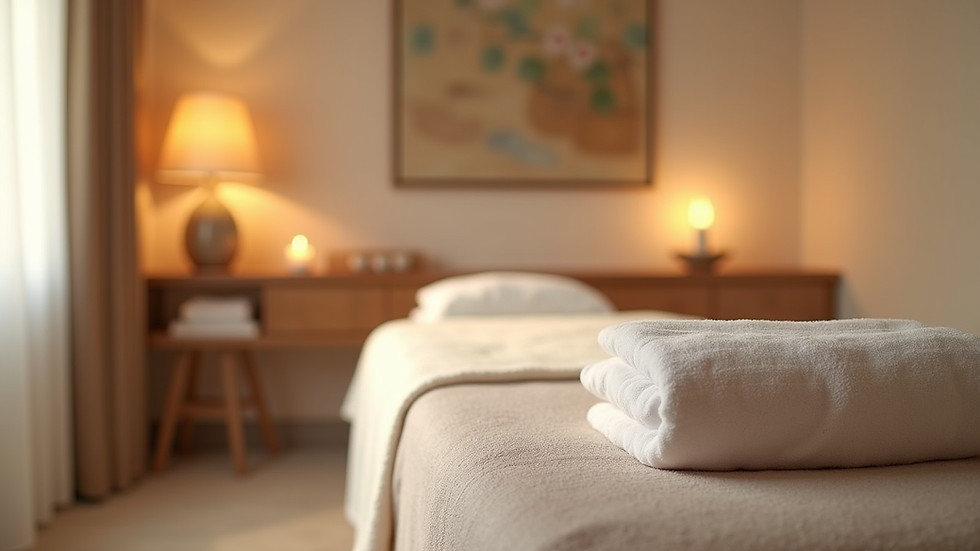
Creating a peaceful space for massage therapy
How to Calm Anxiety?
Calming anxiety often requires a multi-faceted approach, and massage can be a key part of that toolkit. Here are some practical ways massage supports anxiety relief:
Slowing the breath: Massage encourages deeper, slower breathing, which signals the nervous system to relax.
Grounding the mind: The physical sensation of touch helps bring your awareness to the present moment, reducing racing thoughts.
Releasing muscle tension: Anxiety often causes muscles to tighten unconsciously. Massage helps release this tension, reducing discomfort and promoting comfort.
Improving sleep: Regular massage can improve sleep quality, which is crucial for managing anxiety.
Boosting mood: The release of serotonin and dopamine during massage lifts your spirits naturally.
Incorporating massage into your routine, even once a week, can create a ripple effect of calm that supports your mental health.

An inviting environment to unwind and reduce anxiety
What Types of Massage Work Best?
Not all massages are the same, and some styles are particularly effective for anxiety relief. Here are a few to consider:
Swedish Massage: This classic technique uses long, flowing strokes to promote relaxation and improve circulation. It’s gentle and ideal for beginners.
Aromatherapy Massage: Combining essential oils with massage, this approach enhances relaxation through soothing scents like lavender or chamomile.
Shiatsu: A Japanese technique that applies pressure to specific points on the body to balance energy flow and reduce stress.
Thai Massage: This involves gentle stretching and rhythmic pressure, helping to release tension and improve flexibility.
Reflexology: Focused on pressure points in the feet and hands, reflexology can help calm the nervous system and promote overall balance.
Choosing the right massage depends on your preferences and how your body responds. A skilled therapist can tailor the session to your needs, ensuring the most calming experience possible.
How to Prepare for Your Massage Session
To get the most from your massage for anxiety relief, a little preparation goes a long way. Here are some tips:
Hydrate well: Drinking water before and after helps flush out toxins released during massage.
Wear comfortable clothing: Loose, easy-to-remove clothes make the experience smoother.
Communicate openly: Let your therapist know about your anxiety and any areas of tension or discomfort.
Arrive early: Give yourself time to settle in and start relaxing before the session begins.
Set intentions: Think about what you want to achieve from the massage - whether it’s deep relaxation, pain relief, or emotional calm.
By preparing thoughtfully, you create a space where your body and mind can fully benefit from the healing touch.
Embracing Massage as Part of Your Wellness Journey
Massage is not a quick fix but a nurturing practice that supports your overall wellness. When anxiety feels overwhelming, regular sessions can provide a safe harbor - a place to breathe, release, and restore.
If you’re in Guildford or nearby towns like Farnborough and Reading, finding a trusted place that offers authentic Oriental massage and relaxation can be a wonderful step. The Green Herb is dedicated to creating that tranquil experience, helping you access the calm you deserve.
Remember, taking time for yourself is not selfish - it’s essential. Massage therapy is a gentle invitation to slow down, reconnect with your body, and find peace amid life’s challenges.
If you want to explore how massage therapy for anxiety can help you, consider booking a session. Your journey to calm starts with a single touch.
I hope this insight into massage for anxiety relief encourages you to try this soothing practice. Your mind and body will thank you for the care and calm you choose to embrace.


Comments